
Resources for the Arts
Resources for the Arts
In fields like art, dance, and theatre, networking is essential. Building relationships with peers, mentors, and industry leaders can lead to opportunities, collaborations, and valuable insights. Professional organizations help you access these connections while also offering job postings, events, and skill-building resources.
Joining or attending events hosted by these groups introduces you to others who share your passions and can help guide your career. In the arts, where opportunities often come through personal networks, these relationships are key. Read more about connecting with professionals on our networking page.
Look for arts-focused organizations or explore resources like What Can I Do With This Major. to help get you started.
Find professional organizations and employment resources applicable to different School of Education disciplines under each section. Links are researched by the Career Center, but the Career Center is not responsible for their content or postings.
On this page
Internships in the Arts
Internships and other early career experiences can help you develop workplace skills and professional connections, navigate an organization’s culture, and learn new perspectives. They offer opportunities to manage projects, reflect, connect the experience to goals, and receive performance-based feedback.
Most students participate in early career experiences during their junior and senior years during the semester or summer. Applications and interviews are typically required.

Resources for the Arts
Art
Building experience in the art world starts with exploring internships, residencies, freelance projects, and exhibition opportunities. Networking with artists and joining professional organizations can connect you with valuable opportunities. Seeking mentorship and community engagement can also open doors to hands-on experience and career growth.
Professional art organizations offer networking, exhibition opportunities, and career resources that help artists grow and gain recognition. They provide access to grants, workshops, and industry insights while connecting members with galleries, collectors, and fellow creatives. Joining an organization strengthens credibility and supports long-term career development in the art world.
- American Institute of Graphic Arts (AIGA) offers career resources and job posting details available to members of this professional association for design.
- Wisconsin Chapter of AIGA will identify member businesses offering student internships and group tours of their facilities. See contact information under Outreach.
- Chicago Chapter AIGA provides job postings for the greater Chicago area.
- Minnesota Chapter AIGA hosts events and professional development opportunities for designers in Minnesota.
- The College Art Association supports practitioners, teachers, and researchers of the visual arts and humanities. Their site includes job postings, publications, and career resources.
- The National Art Education Association supports visual arts educators through a variety of services.
- National Cartoonists Society is the largest organization of professional cartoonists.
- National Assembly of State Arts Agencies: Every state arts agency contains a wealth of information on the artistic and cultural life in their state, as well as a host of resources for artists.
Search Sites
- Create Wisconsin – Job Board
- Work with Indies
- Artswrk – freelance opportunities
- NYFA
Specific Wisconsin Employers/Organizations
- Overture Center for Performing Arts
- Chazen Museum of Art
- Raven Software
- PBS Wisconsin
- John Michael Kohler Arts Center
Residencies, Open Calls, Exhibitions, etc.
- Creative Capital
- Hyperallergic
- ResArtis
- Rivet
- National Park Service – Artist in Residence
- Artist Communities Alliance – Residency Programs
- Art Lit Lab – Exhibition Proposal
- John Michael Kohler Arts Center – Calls for Artists
- Artist Communities Alliance – Open Calls
- Madison Art Market – Apply to sell your art
Places to Find Studio Spaces
- Art Lit Lab – Studio Application
- Chicago Artists Coalition – Space Finder
- The Listings Project (East & West coasts, international)
- Creative Ground (New England)
- NYFA Spaces (New York)
Joining a student organization can be a great way to connect with peers to learn from each other, have fun, and grow your skills as an artist!
Art Portfolios
A strong portfolio is essential for showcasing your artistic skills, style, and versatility. It provides a visual narrative of your work, helping potential employers, clients, or galleries understand your creative voice. A well-curated portfolio sets you apart, demonstrating your technical abilities and professional readiness.
Portfolio Formats
While the traditional version of a portfolio (a large binder showcasing printed images of your artwork) still has its place in some contexts, most opportunities today call for digital formats. A PDF portfolio may be requested for applications, so it’s important to have one ready. However, the most versatile and widely used format is an online portfolio website. These sites are easy to update, simple to share, and allow viewers to explore the work in a flexible, non-linear way. Social media platforms like Instagram can be powerful tools for promotion, but they typically serve as a complement rather than a replacement for a dedicated portfolio site.
Building an Online Portfoliox
Prioritize simplicity and clarity, your work should take center stage. A clean, intuitive layout ensures that viewers can easily navigate the site without being distracted by overly complex design elements. Make the homepage count by featuring standout pieces right away to capture interest from the first click.
There are many website builders with polished, user-friendly templates that make it easy to create a professional-looking portfolio. Many of these platforms have a free version but also offer more enhanced features that require a hosting fee.
Curating Your Work
Employers and curators often review applications quickly, scanning for work that aligns with their needs and moving on from anything that doesn’t. That’s why it’s crucial to present your most relevant, high-impact work up front. Make it easy for them to see that you’re a strong match. Tailor your portfolio to the industry you’re targeting; what works for one field might not resonate in another. Focus on showcasing your strongest, most relevant pieces to make a powerful first impression. Keep it concise. A well-curated selection of 6 to 12 standout works is often enough to land an interview. Quality always outweighs quantity.
For Designers
When presenting work in your design portfolio, consider using a case study format. This storytelling approach allows you to walk viewers through the full arc of a project; providing context, explaining your goals, and highlighting key steps in your creative process. Pairing visuals with thoughtful text helps your work stand out and gives potential employers or clients insight into how you think and solve problems. For select projects, consider including background details, project objectives, major design decisions, and the final outcome or impact.
For Fine Artists
Fine art portfolios often take a minimalist approach, emphasizing high-quality images of finished pieces with minimal accompanying text. Even so, thoughtful layout and design are key; your portfolio should reflect the essence of your artistic practice. When creating your website, think about the experience you want to offer visitors. Can they easily find information about purchasing your work, upcoming exhibitions, or your artist statement? Your site isn’t just a gallery, it’s a tool for connection and engagement with curators, collectors, and other art world professionals.
For Motion-Based Artwork
A demo reel is a short, curated video (typically 1 to 2 minutes long) that highlights your strongest motion-based work through a series of brief clips. Platforms like Vimeo and YouTube make it easy to share and view reels across devices. It’s important to note that a demo reel is not the same as a full-length project; it’s a highlight reel, not a showcase of entire pieces. Use music thoughtfully; while it can enhance the mood, it can also distract from your visuals (some directors will even mute reels with music to focus solely on the content).
Website Builders & Reel Editors
Resources for the Arts
Dance
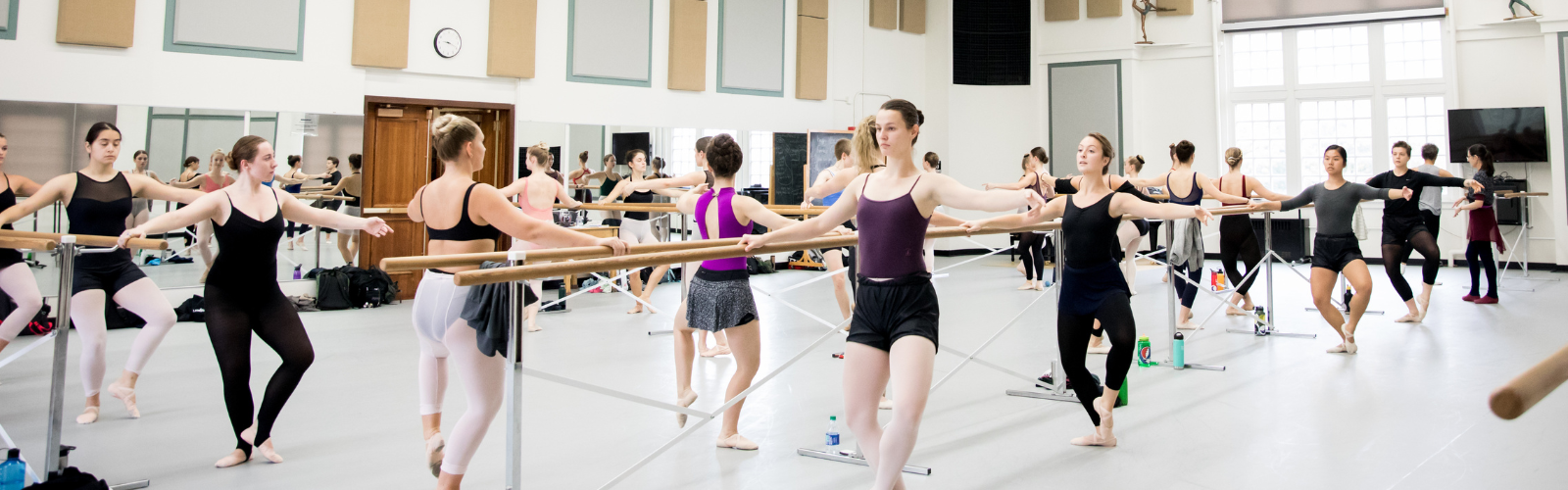
Gaining experience in dance involves exploring performances, apprenticeships, teaching opportunities, and choreography projects. Auditions, summer intensives, and company training programs can help build skills and connections. Networking and attending workshops can lead to valuable opportunities for growth and career advancement.
Joining a professional dance organization provides valuable networking, career resources, and performance opportunities. These organizations offer mentorship, training, and advocacy, helping dancers stay informed about industry standards and job openings. Being part of a professional community also strengthens credibility and opens doors to new opportunities in the dance world.
Finding theatre jobs requires industry-specific search sites that list auditions, backstage roles, and teaching opportunities. Using these specialized sites helps theatre professionals connect with the right opportunities for their career path.
Acting & Performance
Technical Theatre & Design Jobs
Academic & Teaching Theatre Jobs
General Performing Arts & Entertainment Jobs
Joining a student organization can be a great way to connect with peers to learn from each other, have fun, and grow your skills as a dancer!
Dance Portfolios
Dance portfolios often center around video reels, performance footage, and high-quality photos. A clean, easy-to-navigate layout lets your movement speak for itself. While visuals are the heart of a dance portfolio, it’s still important to consider the overall design and what it communicates about you as a performer or choreographer.
Portfolio Formats
The most common format for a dance portfolio is a personal website, which allows you to showcase your work in a clean, accessible, and organized way. A well-designed site can host your reel, performance photos, resume, and artist statement.
For auditions or job applications, you may also need a downloadable PDF that includes a headshot, bio, resume, and links to your video reel. This format is useful when you want to provide materials in a compact way.
While social media can help promote your work and build visibility, it shouldn’t replace a formal portfolio. Use it strategically; link back to your website or reel to guide industry professionals to a more complete representation of your artistry.
Building an Online Portfoliox
When building your website and/or reel, think about what you want visitors—such as directors, presenters, or collaborators—to take away. Can they watch your reel without distractions? Is there clear information about upcoming performances, your training, or how to get in touch for bookings or auditions? Including a bio, artist statement, or choreographic philosophy can add context and make your work more memorable.
Demo Reels
A dance reel is a curated video (typically 1 to 2 minutes) that highlights your strongest work. Keep it focused, clear, and easy to watch. Lead with your best material, and include clips that reflect your range, style, and presence on stage or camera. Avoid over-editing or distracting effects.
Make sure the video quality is high, and the footage is well-lit and framed. Group pieces with intention, whether performance, class, or choreography, and always credit collaborators when appropriate. If you’re submitting to a specific opportunity, tailor the reel to match what they’re looking for.
Website Builders & Reel Editors

Resources for the Arts
Theatre & Drama
Building experience in theatre and drama involves performing in productions, working backstage, and exploring directing or playwriting. Auditions, internships, and community theatre provide hands-on learning, while networking with industry professionals.
Joining a professional theatre organization connects aspiring performers, directors, and designers with industry professionals, auditions, and job opportunities. These organizations provide networking, workshops, mentorship, and advocacy, helping members stay informed about industry trends. Being part of a professional community enhances credibility and opens doors to career growth in theatre and performance.
Acting & Performance Organizations
- Actor’s Equity Association
- Screen Actor’s Guild- American Federation of Television and Radio Artists
- Stage Directors and Choreographers Society
- Theatre Communications Group
Technical Theatre & Design Organizations
- United States Institute for Theatre Technology
- International Alliance of Theatrical Stage Employees
- Association of Theatrical Press Agents & Managers
Playwriting & Dramaturgy Organizations
Educational & Community Theatre Organizations
Finding theatre jobs requires industry-specific search sites that list auditions, backstage roles, and teaching opportunities. Using these specialized sites helps theatre professionals connect with the right opportunities for their career path.
Acting & Performance
Technical Theatre & Design Jobs
Academic & Teaching Theatre Jobs
General Performing Arts & Entertainment Jobs
Joining a student organization can be a great way to connect with peers to learn from each other and have fun!
Theatre & Drama Portfolios
A well-crafted portfolio showcases your skills, experience, and artistic vision, whether you’re an actor, director, designer, or playwright. It can include a resume, headshots, performance reels, design renderings, or writing samples, depending on your focus. A strong portfolio helps you stand out in auditions, interviews, and applications, demonstrating your versatility and professionalism in the competitive theatre industry.
Portfolio Formats
Theatre portfolios vary by role but should always highlight your strongest, most relevant work in a clear, accessible format. A website is often the most effective way to showcase materials like headshots, resumes, reels, production photos, and process work. Your portfolio should reflect your creative identity and be easy to navigate. Keep it professional, updated, and tailored to the opportunity. For actors, a video reel (1–2 minutes) is essential. Include recent footage, lead with your best work, and keep the focus on your performance. Designers, directors, and stage managers may use a PDF or website format with project documentation, prompt books, renderings, or reflections.
Building an Online Portfoliox
When building an online portfolio, prioritize simplicity and clarity so your work shines. Choose a clean, easy-to-navigate layout that highlights your strongest pieces upfront. Make sure your site is mobile-friendly and loads quickly. Include essential sections like your bio, resume, and contact information, and use high-quality images and/or videos to showcase your work. Keep descriptions brief but informative to provide context without overwhelming visitors. Update your portfolio regularly to reflect your latest projects and skills.
Demo Reels
A theatre reel is a short, curated video (usually 1 to 2 minutes) that highlights your strongest on-camera or stage work. Start with your most compelling material, and keep the editing simple so your performance is the focus. Aim to show range in tone, character, or style, and use high-quality footage with clear audio. If you don’t have professional footage, a well-lit self-tape of a monologue or scene can work temporarily.